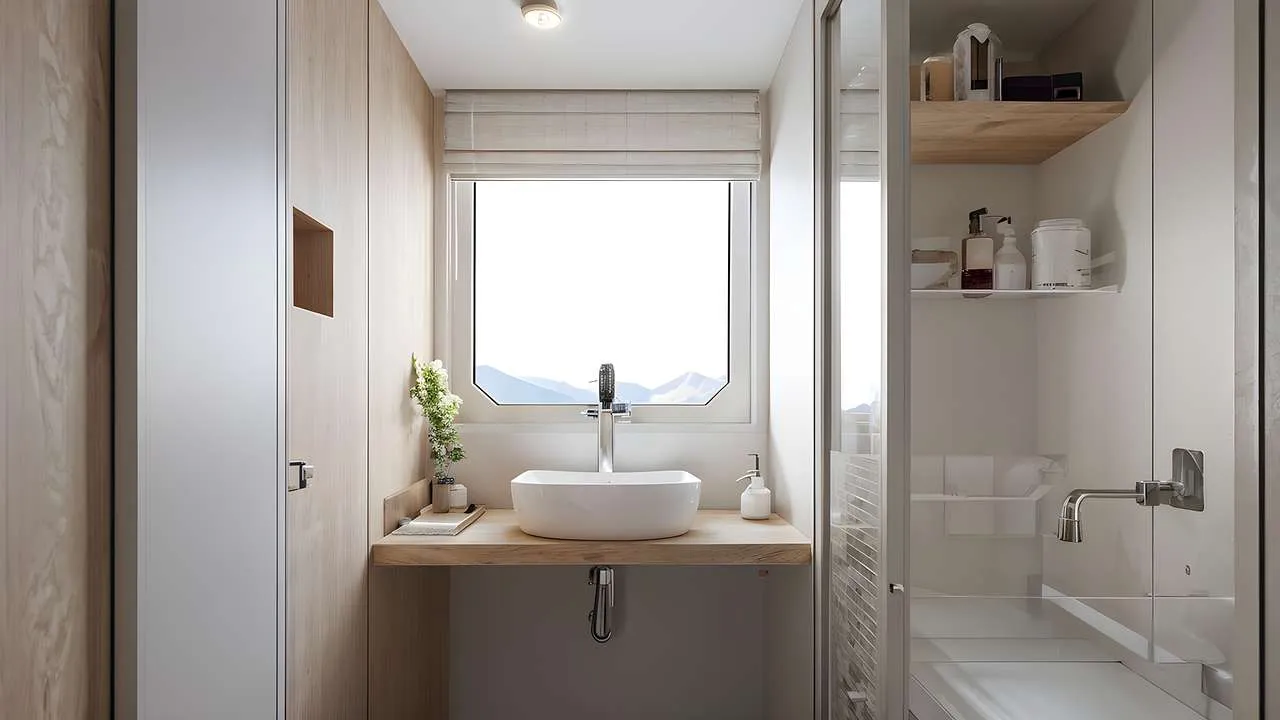
Small bathrooms deserve design that prioritizes function and feel. By combining proven strategies, you can create a space that functions like a larger bath while staying within a compact footprint. This guide shares credible, actionable ideas rooted in current interior design best practices, durable materials, and efficient layouts. The goal is to deliver expert guidance you can apply during planning, renovation, or quick updates, ensuring a space that is safe, stylish, and long-lasting.
Smart space-saving concepts
In tight rooms, how you plan every inch matters. Start with a clear zone for wet and dry areas, and look for opportunities to use walls, ceilings, and doors to your advantage. The most effective small bathroom ideas combine clean lines with smart storage and lighting that makes the space feel open rather than crowded.
Vertical storage and wall-mounted fixtures
Vertical storage draws the eye upward and reduces floor clutter. Use tall, slim linen closets or recessed niches for towels and toiletries. A wall-mounted vanity or pedestal sink keeps floor space visible, while floating shelves above the toilet provide display and storage without bulk. In addition, wall-hung toilets create more room for comfortable movement and easier cleaning.
Compact fixtures that still offer comfort
Opt for a compact vanity around 24 inches wide, or a corner sink to reclaim wall space. A compact, wall-mounted toilet and a shallow-depth tub or curved shower enclosure can dramatically improve perceived space. When choosing a shower, consider a 36-inch stall with a clear shower door to maintain an open feel.
Shower design for small rooms
Glass panels, rather than opaque barriers, visually expands the room and reflects light. Built-in niches in the shower wall keep bottles off the rim and reduce clutter. Curved or sliding doors minimize door swing into the room, preserving usable space when entering or exiting the shower.
Lighting and color to open up space
Layer lighting to remove shadows and brighten corners. Use a combination of ceiling fixtures, vanity lighting, and wall sconces to achieve even illumination. Light colors—off-white, soft gray, or pale taupe—paired with glossy or matte porcelain tiles reflect more light. Large, horizontal mirrors extend the sense of space and enhance natural light from windows.
Storage solutions and organization
Smart storage is the backbone of usable small bathrooms. Plan storage that is reachable, organized, and easy to maintain. Hidden storage reduces visual clutter, while open shelving keeps daily items accessible without crowding the space.
- Recessed medicine cabinets or mirrored cabinets provide dual function without occupying floor area.
- Drawers under the vanity with dividers improve item visibility and reduce clutter.
- Over-the-toilet shelves or cabinets maximize vertical space efficiently.
- Clear acrylic organizers and labeled containers help family members keep things in their place.
Consider using moisture-resistant materials for shelving and storage to ensure longevity in high-humidity environments. Consistent organization not only improves daily use but also makes cleaning easier.
Layout options and planning
The layout you pick should support daily routines and accommodate future needs. Common approaches include linear layouts along one wall, L-shaped configurations that tuck components into corners, and wet-room concepts where shower space merges with the overall bathroom footprint. When planning, measure accurately, verify door swing directions, and map electrical outlets and plumbing lines before purchasing fixtures.
Key planning steps include zoning for wet versus dry areas, selecting a shower enclosure that reduces splash, and choosing a vanity with adequate storage while maintaining comfortable knee clearance. Budget for professional help where plumbing or electrical work is involved, and request detailed material specifications to avoid surprises during installation.
Materials and finishes that last in small baths
Durability and maintenanceability are essential in small bathrooms. Choose porcelain or ceramic tiles with a low-maintenance glaze for walls and floors. For countertops, quartz offers resilience against moisture and stains. Floors should be slip-resistant; consider textured porcelain or treated natural stone for safety. Sealants and grouts designed for bathrooms reduce staining and mold growth. Finally, opt for water-resistant paints or coatings to protect walls from humidity year after year.
Planning and budgeting essentials
Effective planning blends design goals with a realistic budget. Start with a priorities list—storage, lighting, and durability often yield the highest return on investment in small bathrooms. Request multiple quotes from licensed professionals when major plumbing or electrical work is needed. Always account for hidden costs such as permits, demolition, and disposal. A staged approach, focusing on high-impact updates first, allows you to improve the space gradually while maintaining functionality.
Comparison of layout options
| Layout option | Pros | Cons | Best for |
|---|---|---|---|
| Floating vanity + corner shower | Maximizes floor space; airy feel | Limited countertop area | Single-user baths; modern aesthetics |
| Wall-mounted fixtures + glass partition | Open feel; easy cleaning | Higher installation cost | Small master or shared bath |
| Pocket door with recessed storage | No door swing intrusion; better flow | Requires wall space for pocket system | Tight corridors; frequent entry from multiple rooms |
| Fully tiled wet room | Unified look; easy maintenance | Water management complexity | Shower-focused small baths |
Conclusion, practical takeaways
Conclusion, small bathroom ideas converge on a simple rule: reduce clutter, choose compact but comfortable fixtures, and use light, reflective finishes to expand the sense of space. Prioritize vertical storage, clean lines, and a well-planned layout to enhance daily usability and long-term value. With careful material choices and a realistic budget, you can achieve a stylish, durable bathroom that feels larger than its footprint.