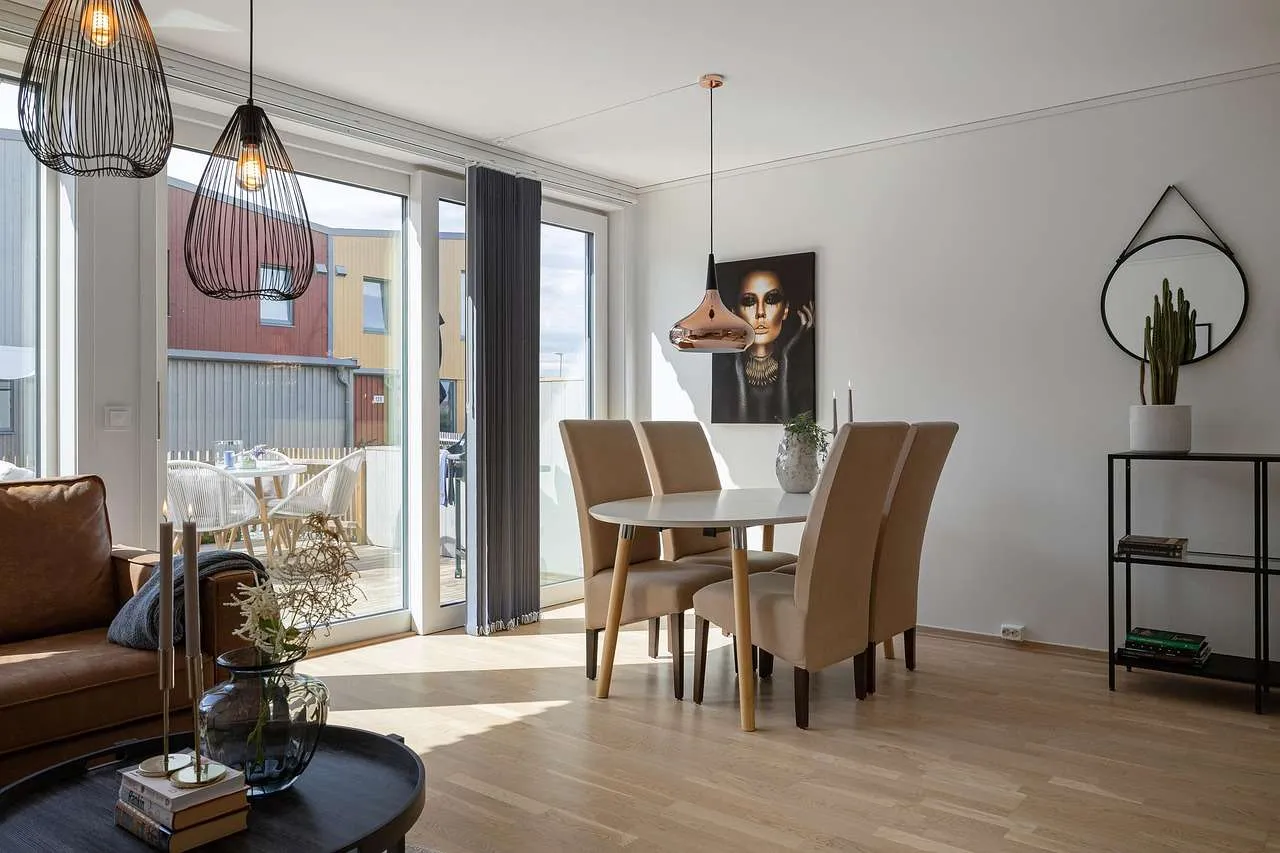
Home window tinting is a practical upgrade for residences, offering improved comfort, protection, and energy efficiency. By selecting the right film and a skilled installer, homeowners can reduce heat gain, shield furnishings from UV fading, and increase privacy without sacrificing natural light. This article covers what home window tinting is, the different film types, the benefits, how to choose a film, installation steps, costs, and how to maximize return on investment while meeting local rules and warranty expectations.
What is home window tinting?
Home window tinting uses a thin film applied to interior or exterior glass. The film enhances solar control by blocking a portion of visible light and infrared energy while maintaining clarity. Films can also reduce glare and protect occupants from harmful UV rays. For best results, work with an approved installer who can tailor the film to your climate, window orientation, and budget.
Dyed films
Dyed films are the most affordable option; they add color and improve privacy. Over time they can fade or require replacement and may offer moderate heat reduction.
Metalized films
Metalized films reflect heat but can interfere with electronics or cause glare if not installed carefully. They offer strong heat rejection but may limit external visibility in some cases.
Ceramic films
Ceramic and nano ceramic films provide excellent heat rejection with minimal color change and no metal. They preserve clarity and are durable in bright sun and extreme temperatures.
Other options
Hybrid or multilayer films combine benefits and may balance cost with performance. A professional assessment helps identify the best match for your home.
Benefits of home window tinting
Heat control reduces cooling loads, lowering energy bills and improving indoor comfort. UV protection slows fading of furniture and carpets and reduces skin exposure. Glare reduction helps with screens and reading, while privacy is enhanced during daytime. In addition, high quality films can strengthen glass against minor impacts and add a layer of safety, which is valuable for households with children or in storm prone areas. A properly installed film also preserves visibility when night comes, particularly with higher VLT options.
Choosing the right film for your home
Climate and sun exposure drive film selection. For sunny regions, higher heat rejection and reliable durability are priorities. Evaluate visible light transmission VLT to maintain natural daylight while achieving privacy. Check HOA rules and local regulations to ensure compliance. Look for warranties from manufacturers and installers, and consider certifications such as third party testing for adhesion and UV rejection. Request a written estimate, confirm warranty terms, and ask for before and after photos from past projects.
Installation and maintenance
A professional installer follows a clean process including surface prep, film cutting, application, and curing. Expect a curing window and avoid cleaning until the film is fully set. Clean with mild soap and water or a film safe solution and a soft cloth; avoid ammonia based cleaners which can degrade film over time. Regular checks for bubbles or edge lift help protect the investment over years.
Costs and ROI
Costs vary by film type, window size, and labor. Typical residential tinting ranges from tens to a few hundred dollars per window, with larger or unusual shapes costing more. While the upfront cost varies, homeowners often see energy savings that reduce cooling loads and improve comfort and furniture longevity. ROI depends on climate, electricity rates, and home insulation, but many projects pay back in a few years through lower utility bills and extended window life.
| Type | UV Rejection | Heat Rejection | VLT | Durability | Typical Cost |
|---|---|---|---|---|---|
| Dyed films | Moderate | Low to Moderate | High clarity | Moderate | 5–15 per sq ft |
| Metalized films | High | Very High | Low to Moderate | High | 6–20 per sq ft |
| Ceramic films | Very High | Excellent | High | Very High | 8–25 per sq ft |
| Nano ceramic | Very High | Superior | High | Very High | 10–30 per sq ft |
When considering ROI, pair tinting with energy efficient windows or insulating upgrades for a larger impact. Request a professional assessment to calculate potential savings in your climate and home layout.
Summary: Home window tinting offers heat reduction and UV protection, improves privacy and comfort, safeguards furnishings, and raises property value. By choosing the right film type, relying on a qualified installer, and validating warranties and local rules, homeowners can maximize energy savings and the longevity of their windows.